Buy tani.eu ?
We are moving the project
tani.eu .
Are you interested in purchasing the domain
tani.eu ?
domain@kv-gmbh.de · 0541-91531010
Buy tani.eu ?
Is this lemon balm?
Without a visual reference, it is difficult to definitively confirm if the plant in question is lemon balm. Lemon balm is a member of the mint family and has distinctive lemon-scented leaves with serrated edges. To accurately identify lemon balm, it is best to look for these specific characteristics and compare them to known images or descriptions of the plant. If unsure, consulting a gardening expert or using plant identification apps can help confirm the plant's identity. **
Can rabbits eat lemon balm?
Yes, rabbits can eat lemon balm in moderation. Lemon balm is safe for rabbits to consume and can even provide some health benefits such as aiding in digestion and reducing stress. However, it is important to introduce new foods slowly to ensure that your rabbit does not have any adverse reactions. Additionally, make sure the lemon balm is fresh and free from any pesticides or chemicals before offering it to your rabbit. **

Similar search terms for Terpenic-Lab-Lemon-balm
Top-Angebote
Products related to Terpenic-Lab-Lemon-balm:
-
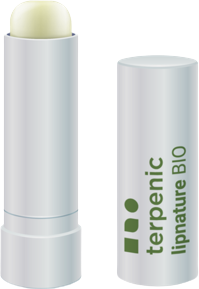
Terpenic Lab Lip Balm Stick 1 UnitHealth and Beauty Creams Terpenic Lab Lip Balm Stick 1 Unit This lip balm is 100% plant-based and 100% natural, nourishing lips with its soft and creamy formula. It is suitable for vegans and halal. It has been certified by bio.vida.sana with 82.05% organic ingredients.5,92 £*Shipping: 3,99 £Secure redirect to the provider
-
Terpenic Lab Lemon Essential Oil 10 mlHealth and Beauty First aid kit Terpenic Lab Lemon Essential Oil 10 ml Lemon Essential Oil has been valued for its properties as: antifungal, antineuralgic, antipruritic, antirheumatic, antiseborrheic It is a great antiseptic, antipyretic, antiviral, bactericidal, callicidal, healing, diuretic, emollient, hemostatic, immunostimulant, and hair tonic. Precautions for use: Use with caution in children due to the possible occurrence of allergic reactions due to hypersensitivity. May irritate sensitive skin. Do not apply before sun exposure.4,92 £*Shipping: 3,99 £Secure redirect to the provider
-
Terpenic Lab Organic Camelina 100 mlHealth and Beauty Creams Terpenic Lab Organic Camelina 100 ml 100% pure and natural organic oil, first cold-pressed. Terpenic Labs holds the Euro leaf and Inspecta bio seals, guaranteeing that it comes from organic farming. This cosmetic is made with virgin vegetable oils that retain all the qualities of the fruit or seed, freshly pressed to preserve their aroma, texture, and color. Unique for their therapeutic value for the skin, they retain all their vitamins. Benefits: Therapeutic and antioxidant. Detoxifying. Available sizes: 100 ml and 500 ml10,10 £*Shipping: 3,99 £Secure redirect to the provider
-
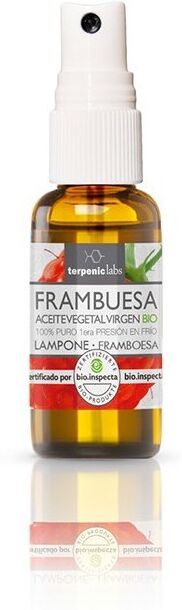
Terpenic Lab Organic Raspberry Oil 30mlHealth and Beauty Creams Terpenic Lab Organic Raspberry Oil 30ml Raspberry seed oil is obtained by cold pressing and subsequent filtration of the seeds of the Rubus ideus L. shrub. This shrub grows endemic to Europe and parts of Asia where it extends from 1.5m to 2.5m with evergreen leaves and whose sweet fruits (raspberries) are produced from late summer to early autumn, although its flowering and ripening may vary depending on the warmer or colder climate of the regions where it grows. Benefits: Acts as an anti-inflammatory for redness and irritation. Properties: moisturizing, nourishing, soothing, and regenerating. Soothing and anti-itch effect. Widely used in the formulation of regenerating cosmetics for the eye contour, lip contour, and facial, hair, and body treatments.12,24 £*Shipping: 3,99 £Secure redirect to the provider

-
Is lemon balm toxic in overdose?
Lemon balm is generally considered safe when consumed in moderate amounts. However, in very high doses, it may cause some side effects such as nausea, vomiting, and abdominal pain. There is limited information on the toxicity of lemon balm in overdose, but it is always recommended to use any herbal supplement in moderation and consult a healthcare professional if you have any concerns. **
-
What is an infestation of lemon balm?
An infestation of lemon balm refers to a situation where the plant has spread uncontrollably and is growing aggressively in an area where it is not wanted. Lemon balm is a fast-growing herb that can quickly take over a garden or yard if not properly managed. This can lead to the lemon balm crowding out other plants and becoming a nuisance. Controlling an infestation of lemon balm may require removing the plant or using methods to limit its spread, such as regular pruning or planting it in containers. **
-
Is lemon balm a disease or a deficiency?
Lemon balm is not a disease or a deficiency. It is actually a herb from the mint family that is commonly used for its calming and soothing properties. Lemon balm is often used to help with anxiety, stress, and sleep issues, as well as to improve cognitive function and mood. It is not a medical condition but rather a natural remedy that can be used to support overall health and well-being. **
-
Is mint and lemon balm the same thing?
No, mint and lemon balm are not the same thing. They are two different plants with distinct characteristics. Mint is a plant from the Mentha genus and is known for its strong, refreshing flavor. Lemon balm, on the other hand, is a member of the mint family but has a distinct lemony scent and flavor. While they may share some similarities, such as being used in herbal teas and for their calming properties, they are different plants with their own unique qualities. **

On which lemon balm is a pest located?
The pest is located on the lemon balm plant. Lemon balm is a herbaceous perennial plant in the mint family, and it is known for its lemon-scented leaves. Pests such as aphids, spider mites, and whiteflies can infest lemon balm plants, causing damage to the leaves and affecting the plant's overall health. It is important to regularly inspect lemon balm plants for pests and take appropriate measures to control infestations. **
How do I plant lemon balm in a pot?
To plant lemon balm in a pot, start by choosing a container that is at least 12 inches in diameter and has drainage holes at the bottom. Fill the pot with well-draining potting soil and sprinkle lemon balm seeds on top, lightly pressing them into the soil. Water the seeds gently and place the pot in a sunny location. Keep the soil consistently moist but not waterlogged, and once the seedlings have grown a few inches tall, thin them out to give each plant enough space to grow. Lemon balm can also be propagated from cuttings or purchased as a small plant to transplant into the pot. **
Top-Angebote
Products related to Terpenic-Lab-Lemon-balm:
-
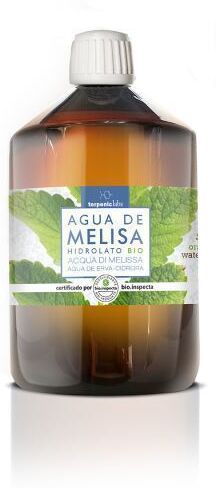
Terpenic Lab Lemon balm hydrolate 250 mlHealth and Beauty First aid kit Terpenic Lab Lemon balm hydrolate 250 ml Lemon balm is a plant that brings calm and well-being. In cosmetics, lemon balm hydrosol has been known for centuries as beauty water. This hydrolate is suitable for the oral route. Soothes and refreshes sensitive and irritated skin Calms itchy skin Soothes insect and plant bites baby care eye care10,54 £*Shipping: 3,99 £Secure redirect to the provider
-
Terpenic Lab Organic Lemon Essential Oil 30 ml 30 mlNutrition and Supplements Natural Extracts Terpenic Lab Organic Lemon Essential Oil 30 ml 30 ml Properties: Immunostimulant, Nerve tonic, Antiseptic, Bactericidal, Calming, Carminative. Indications: Asthenia, Cellulitis, Warts, Herpes, Seborrhea, Colitis, Arteriosclerosis, Capillary fragility. Aromatic Family: Citrus. Combines with: Cardamom, Benzoin, Roman Chamomile, Eucalyptus globulus, Fennel. Precautions: Do not use during the first 3 months of pregnancy. Photosensitizing, avoid sun and UV exposure after application.13,44 £*Shipping: 3,99 £Secure redirect to the provider
-
Terpenic Lab Lip Balm Stick 1 UnitHealth and Beauty Creams Terpenic Lab Lip Balm Stick 1 Unit This lip balm is 100% plant-based and 100% natural, nourishing lips with its soft and creamy formula. It is suitable for vegans and halal. It has been certified by bio.vida.sana with 82.05% organic ingredients.5,92 £*Shipping: 3,99 £Secure redirect to the provider
-
Terpenic Lab Lemon Essential Oil 10 mlHealth and Beauty First aid kit Terpenic Lab Lemon Essential Oil 10 ml Lemon Essential Oil has been valued for its properties as: antifungal, antineuralgic, antipruritic, antirheumatic, antiseborrheic It is a great antiseptic, antipyretic, antiviral, bactericidal, callicidal, healing, diuretic, emollient, hemostatic, immunostimulant, and hair tonic. Precautions for use: Use with caution in children due to the possible occurrence of allergic reactions due to hypersensitivity. May irritate sensitive skin. Do not apply before sun exposure.4,92 £*Shipping: 3,99 £Secure redirect to the provider
-
Is this lemon balm?
Without a visual reference, it is difficult to definitively confirm if the plant in question is lemon balm. Lemon balm is a member of the mint family and has distinctive lemon-scented leaves with serrated edges. To accurately identify lemon balm, it is best to look for these specific characteristics and compare them to known images or descriptions of the plant. If unsure, consulting a gardening expert or using plant identification apps can help confirm the plant's identity. **
-
Can rabbits eat lemon balm?
Yes, rabbits can eat lemon balm in moderation. Lemon balm is safe for rabbits to consume and can even provide some health benefits such as aiding in digestion and reducing stress. However, it is important to introduce new foods slowly to ensure that your rabbit does not have any adverse reactions. Additionally, make sure the lemon balm is fresh and free from any pesticides or chemicals before offering it to your rabbit. **
-
Is lemon balm toxic in overdose?
Lemon balm is generally considered safe when consumed in moderate amounts. However, in very high doses, it may cause some side effects such as nausea, vomiting, and abdominal pain. There is limited information on the toxicity of lemon balm in overdose, but it is always recommended to use any herbal supplement in moderation and consult a healthcare professional if you have any concerns. **
-
What is an infestation of lemon balm?
An infestation of lemon balm refers to a situation where the plant has spread uncontrollably and is growing aggressively in an area where it is not wanted. Lemon balm is a fast-growing herb that can quickly take over a garden or yard if not properly managed. This can lead to the lemon balm crowding out other plants and becoming a nuisance. Controlling an infestation of lemon balm may require removing the plant or using methods to limit its spread, such as regular pruning or planting it in containers. **
Similar search terms for Terpenic-Lab-Lemon-balm
-
Terpenic Lab Organic Camelina 100 mlHealth and Beauty Creams Terpenic Lab Organic Camelina 100 ml 100% pure and natural organic oil, first cold-pressed. Terpenic Labs holds the Euro leaf and Inspecta bio seals, guaranteeing that it comes from organic farming. This cosmetic is made with virgin vegetable oils that retain all the qualities of the fruit or seed, freshly pressed to preserve their aroma, texture, and color. Unique for their therapeutic value for the skin, they retain all their vitamins. Benefits: Therapeutic and antioxidant. Detoxifying. Available sizes: 100 ml and 500 ml10,10 £*Shipping: 3,99 £Secure redirect to the provider
-
Terpenic Lab Organic Raspberry Oil 30mlHealth and Beauty Creams Terpenic Lab Organic Raspberry Oil 30ml Raspberry seed oil is obtained by cold pressing and subsequent filtration of the seeds of the Rubus ideus L. shrub. This shrub grows endemic to Europe and parts of Asia where it extends from 1.5m to 2.5m with evergreen leaves and whose sweet fruits (raspberries) are produced from late summer to early autumn, although its flowering and ripening may vary depending on the warmer or colder climate of the regions where it grows. Benefits: Acts as an anti-inflammatory for redness and irritation. Properties: moisturizing, nourishing, soothing, and regenerating. Soothing and anti-itch effect. Widely used in the formulation of regenerating cosmetics for the eye contour, lip contour, and facial, hair, and body treatments.12,24 £*Shipping: 3,99 £Secure redirect to the provider
-
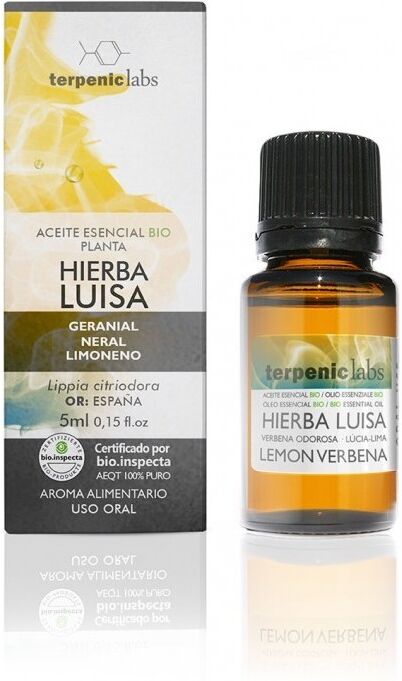
Terpenic Lab Lemon Verbena Essential Oil 5 ml 5 mlNutrition and Supplements Natural Extracts Terpenic Lab Lemon Verbena Essential Oil 5 ml 5 ml Properties: Calming, Anti-inflammatory, Healing, Mucolytic, Digestive tonic. Aromatic Family: Herbal. Combines with: Grapefruit, Tunisian Rosemary, Carrasqueño Thyme. Antidepressant Sedative Antineuralgic Endocrine tonic Anti-inflammatory Indications: Stress, Insomnia, Depression, Anxiety, Nervous Asthma Precautions: Do not use during pregnancy. Photosensitizing, avoid sun exposure and UV rays after application.24,09 £*Shipping: 3,99 £Secure redirect to the provider
-
Terpenic Lab Organic Jojoba Oil 500 mlHealth and Beauty Creams Terpenic Lab Organic Jojoba Oil 500 ml Terpenic Labs Jojoba Oil is obtained from the seeds of the Jojoba shrub (Buxus chinensis), a plant native to the Sonoran and Mojave deserts (areas belonging to Mexico and the USA). It is a treatment for oily and acne-prone skin, regulating sebum production and providing deep nourishment. Directions for Use: Apply to the affected area with a gentle massage.44,99 £*Shipping: 3,99 £Secure redirect to the provider
-
Is lemon balm a disease or a deficiency?
Lemon balm is not a disease or a deficiency. It is actually a herb from the mint family that is commonly used for its calming and soothing properties. Lemon balm is often used to help with anxiety, stress, and sleep issues, as well as to improve cognitive function and mood. It is not a medical condition but rather a natural remedy that can be used to support overall health and well-being. **
-
Is mint and lemon balm the same thing?
No, mint and lemon balm are not the same thing. They are two different plants with distinct characteristics. Mint is a plant from the Mentha genus and is known for its strong, refreshing flavor. Lemon balm, on the other hand, is a member of the mint family but has a distinct lemony scent and flavor. While they may share some similarities, such as being used in herbal teas and for their calming properties, they are different plants with their own unique qualities. **
-
On which lemon balm is a pest located?
The pest is located on the lemon balm plant. Lemon balm is a herbaceous perennial plant in the mint family, and it is known for its lemon-scented leaves. Pests such as aphids, spider mites, and whiteflies can infest lemon balm plants, causing damage to the leaves and affecting the plant's overall health. It is important to regularly inspect lemon balm plants for pests and take appropriate measures to control infestations. **
-
How do I plant lemon balm in a pot?
To plant lemon balm in a pot, start by choosing a container that is at least 12 inches in diameter and has drainage holes at the bottom. Fill the pot with well-draining potting soil and sprinkle lemon balm seeds on top, lightly pressing them into the soil. Water the seeds gently and place the pot in a sunny location. Keep the soil consistently moist but not waterlogged, and once the seedlings have grown a few inches tall, thin them out to give each plant enough space to grow. Lemon balm can also be propagated from cuttings or purchased as a small plant to transplant into the pot. **
* All prices are inclusive of VAT and, if applicable, plus shipping costs. The offer information is based on the details provided by the respective shop and is updated through automated processes. Real-time updates do not occur, so deviations can occur in individual cases. ** Note: Parts of this content were created by AI.