Buy tani.eu ?
We are moving the project
tani.eu .
Are you interested in purchasing the domain
tani.eu ?
domain@kv-gmbh.de · 0541-91531010
Buy tani.eu ?
What are the most sustainable 3D printing materials?
The most sustainable 3D printing materials are typically biodegradable and renewable. Some examples include PLA (polylactic acid), which is made from renewable resources like cornstarch or sugarcane, and is compostable. Another sustainable option is PETG (polyethylene terephthalate glycol), which is recyclable and has a lower environmental impact compared to other plastics. Additionally, materials like wood-based filaments, which are made from recycled wood fibers and PLA, are also considered sustainable due to their biodegradability and renewable sourcing. **
What can be built from natural materials?
Many things can be built from natural materials, including houses, furniture, tools, and artwork. For example, houses can be constructed from materials such as wood, stone, and clay. Furniture can be made from wood, bamboo, or rattan. Tools can be crafted from materials like bone, stone, or wood. Artwork can be created using natural materials such as leaves, flowers, and clay. Overall, natural materials offer a wide range of possibilities for construction and creativity. **
Similar search terms for Materials
Top-Angebote
Products related to Materials:
-
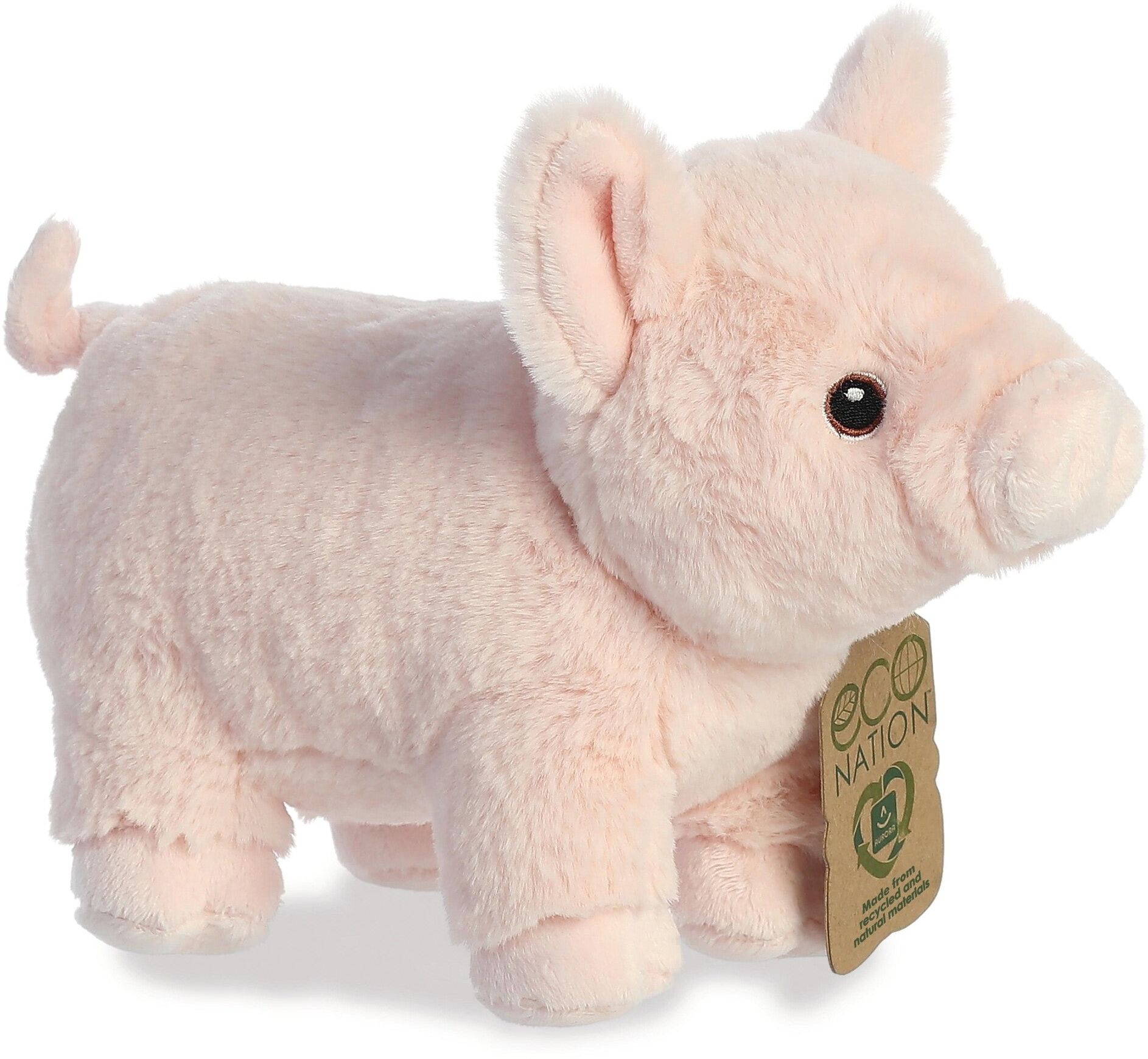
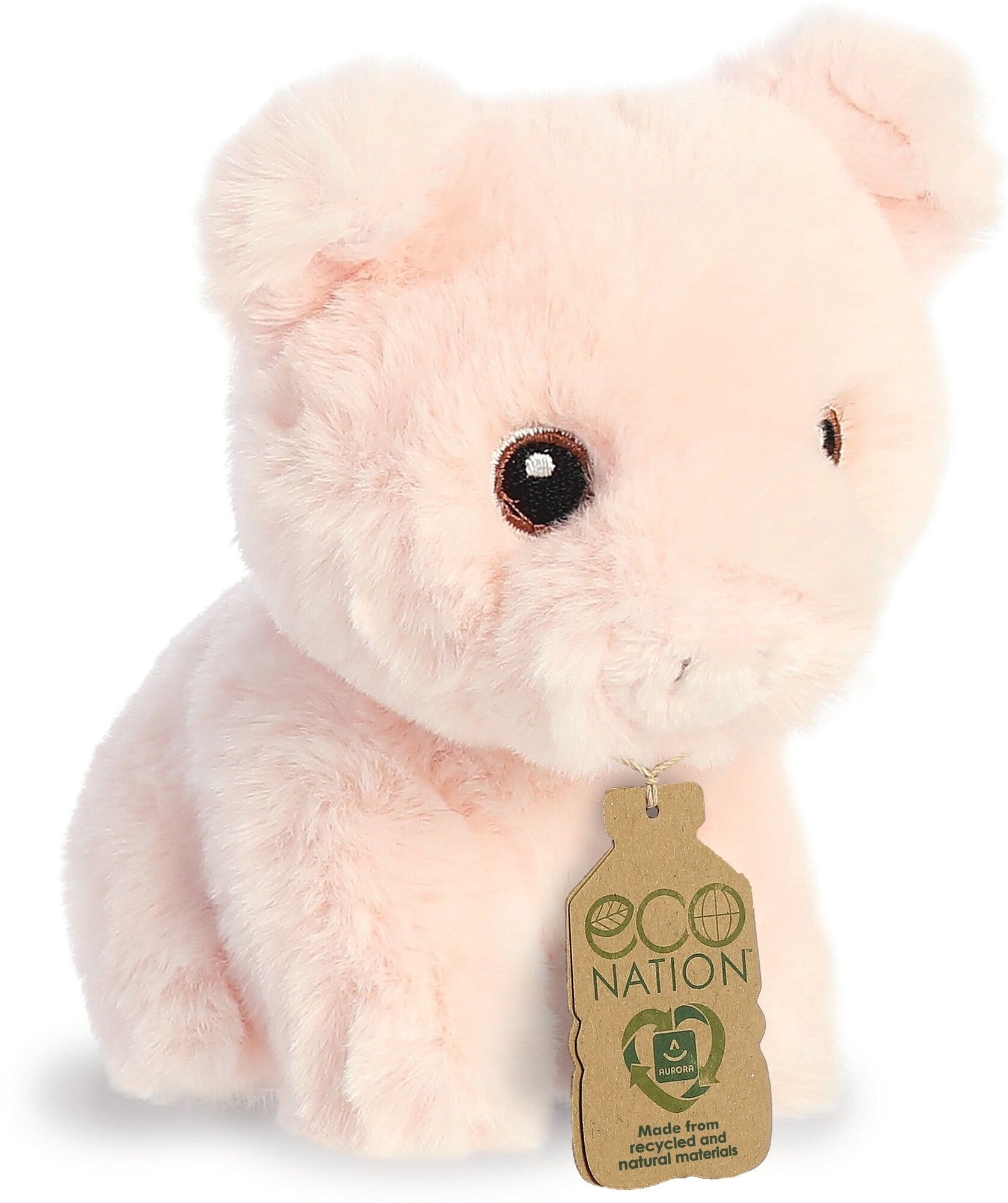
Aurora Eco Nation Mini Pig 5" - Eco-Friendly Soft Toy - Recycled Materials - Unisex - 5 Inch - Stuffed AnimalAurora Eco Nation Mini Pig 5" is an eco-friendly soft toy made from recycled plastic bottles. It features ultra-soft texture, embroidered eyes, and a hangtag shaped like a plastic bottle to educate about recycling. Suitable for all ages and genders.6,21 £*Shipping: 3,95 £Secure redirect to the provider
-
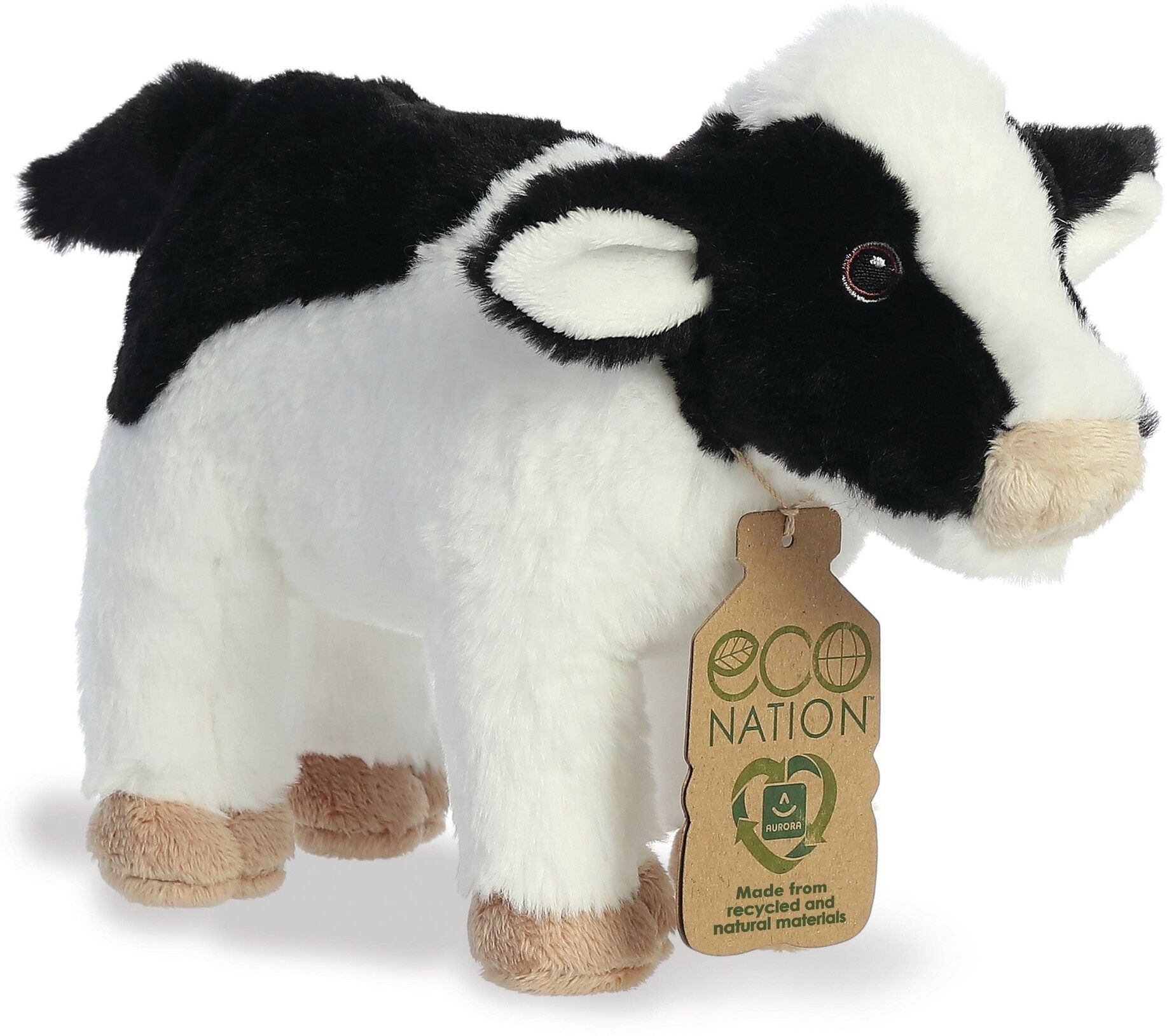
Aurora Eco Nation 10" Plush-Cow - Eco-Friendly Stuffed Animal for Children and Adults Made from Recycled MaterialsThe Aurora Eco Nation 10" plush cow is a testament to eco-friendliness, thoughtfully created from recycled plastics with recycled fiber fill. Traditional plastic beans have been replaced with embroidered details, and plastic eyes have been substituted with stitched alternatives. This soft toy measures 10 inches, making it suitable for children and adults alike. It's a wonderful companion from birth, perfect for cuddles and play. With over 40 years of expertise, Aurora World is a leader in innovative and high-quality plush products, ensuring a delightful experience with this lovable cow soft toy.12,41 £*Shipping: 3,95 £Secure redirect to the provider
-
Aurora Eco Nation 9" Plush Lop-Eared Rabbit for Kids - Eco-Friendly Stuffed Animal Made from Recycled MaterialsSoft and cuddly companion crafted from recycled plastics and natural materials. Part of the Eco Nation collection, each toy features embroidered details and stitched eyes. Perfect for snuggling and suitable for children and adults.12,41 £*Shipping: 3,95 £Secure redirect to the provider
-
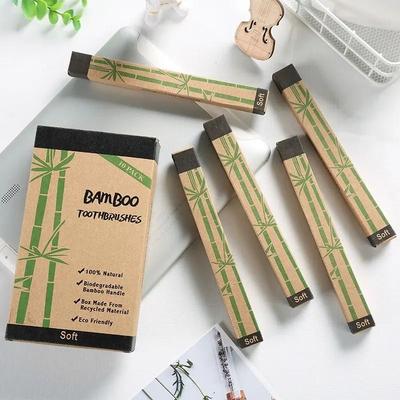
Uplift Essentials Natural Bamboo Eco Friendly Toothbrush 10 Piece Sustainable Family Pack Natural Bamboo Eco Friendly Toothbrush 10 Piece Sustainable Family PackTransition to a greener routine with this Natural Bamboo Toothbrush Set, a premium collection of bamboo products designed to reduce environmental impact without compromising on performance. Each handle is crafted from 100% sustainable bamboo,...37,97 $*Shipping: 0,00 $Secure redirect to the provider

-
What are raw materials, auxiliary materials, or operating materials?
Raw materials are the basic materials used in the production of goods. They are typically natural resources such as wood, metal, or agricultural products. Auxiliary materials are used to support the production process, such as lubricants, cleaning agents, or packaging materials. Operating materials are the supplies and tools used in the day-to-day operations of a business, such as office supplies, maintenance tools, or safety equipment. These materials are essential for the production and operation of goods and services. **
-
What is the difference between organic and eco-friendly products?
Organic products are made from ingredients that are grown without the use of synthetic pesticides, herbicides, or fertilizers, and are often certified by a regulatory body. Eco-friendly products, on the other hand, are designed to have minimal impact on the environment throughout their entire lifecycle, from production to disposal. While organic products focus on the natural ingredients used, eco-friendly products consider the overall environmental impact of the product. In essence, organic products focus on the ingredients, while eco-friendly products focus on the entire product lifecycle. **
-
What climate-friendly building materials are there for houses?
There are several climate-friendly building materials that can be used for houses, including: 1. Recycled and reclaimed materials: Using materials such as reclaimed wood, recycled steel, and salvaged bricks can reduce the demand for new resources and minimize waste. 2. Sustainable wood: Timber that is certified by organizations like the Forest Stewardship Council (FSC) ensures that it comes from responsibly managed forests. 3. Insulation made from natural materials: Materials like cellulose, wool, and cork are renewable and have low environmental impact compared to traditional insulation materials. 4. Low-impact concrete alternatives: Materials like hempcrete, which is made from hemp fibers and lime, have lower carbon footprints than traditional concrete. By incorporating these materials into house construction, it is possible to reduce the environmental impact of building and contribute to a more sustainable future. **
-
What is the difference between inorganic and organic building materials?
Inorganic building materials are derived from non-living sources such as rocks, minerals, and metals. They are typically more durable and resistant to environmental factors such as fire, water, and pests. Examples of inorganic building materials include concrete, steel, and glass. Organic building materials, on the other hand, are derived from living sources such as plants and animals. They are often more sustainable and environmentally friendly, but may be more susceptible to decay and damage from environmental factors. Examples of organic building materials include wood, bamboo, and straw. Overall, the main difference between inorganic and organic building materials lies in their source and properties, with inorganic materials being more durable and resistant, while organic materials are often more sustainable and environmentally friendly. **

Is organic sustainable?
Organic farming practices can be more sustainable than conventional methods in terms of reducing chemical inputs, promoting biodiversity, and improving soil health. However, there are challenges to the scalability and efficiency of organic farming, which can impact its overall sustainability. For example, organic farming typically requires more land and labor to produce the same amount of food as conventional methods, which can limit its ability to meet global food demand. Additionally, the transportation and distribution of organic products can have a higher environmental impact due to their shorter shelf life and the need for refrigeration. Overall, while organic farming has many sustainable benefits, there are also limitations to its long-term sustainability on a large scale. **
What is the difference between building materials, operating materials, and supplementary materials?
Building materials are used in the construction of a structure, such as wood, concrete, steel, and bricks. Operating materials are items used to maintain and operate a building, like cleaning supplies, light bulbs, and HVAC filters. Supplementary materials are additional items that may not be essential for the structure but can enhance its functionality or aesthetics, such as decorative finishes, landscaping materials, or furniture. **
Top-Angebote
Products related to Materials:
-
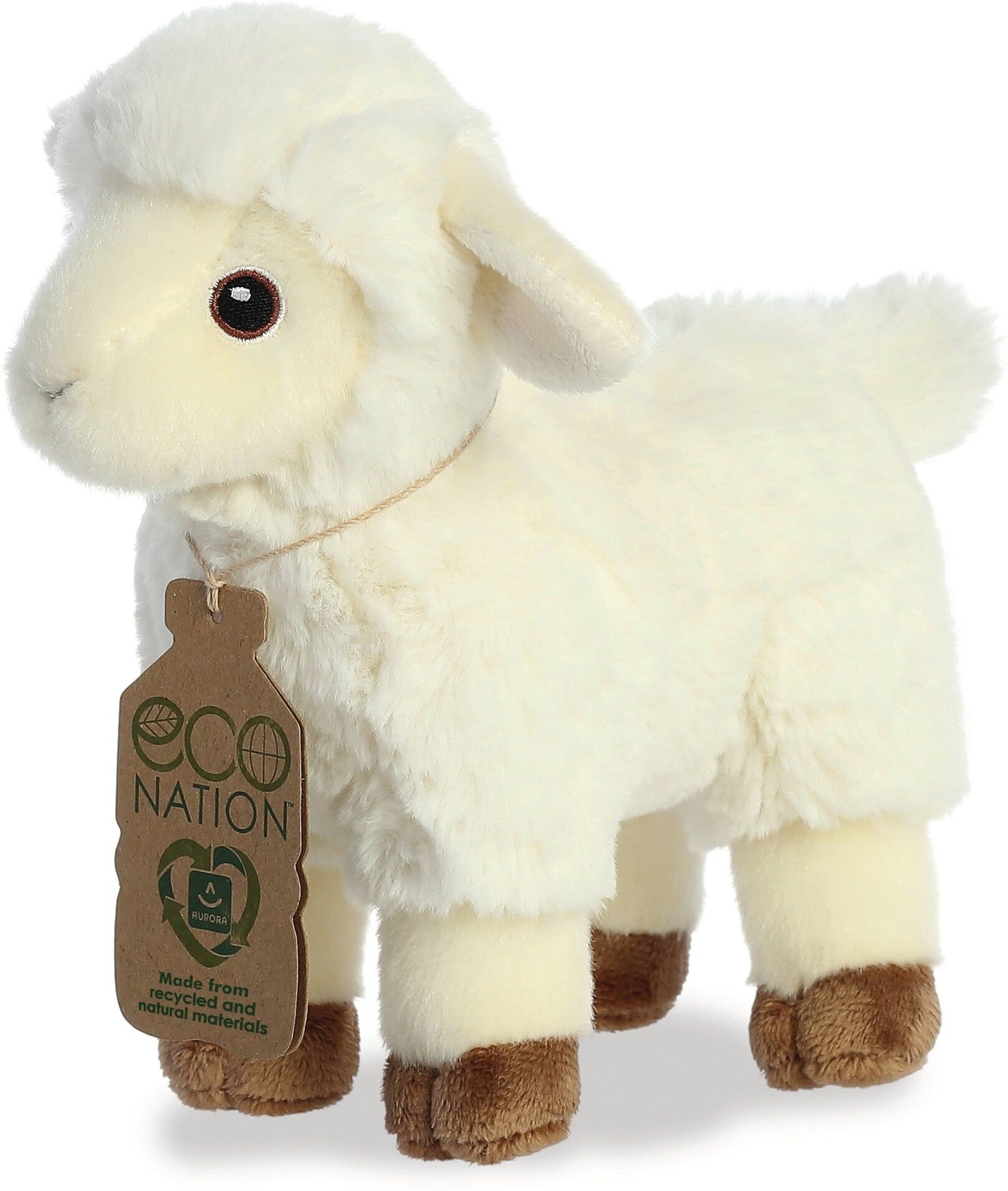
Aurora Eco Nation 8" Plush Lamb - Eco-Friendly Materials - 20cm - KidsCrafted with care, this lovable lamb is made from recycled plastics and natural materials, embodying our commitment to a sustainable future. Key Features: Eco-Friendly Materials: The plush exterior and fibre fill are crafted from recycled plastics, reducing plastic waste. Embroidered Eyes: Charming embroidered eyes combine safety and eco-consciousness. No plastic beans are used, making it even more environmentally friendly. Generous Size: Measuring 20cm, it's perfect for hugs and companionship. Lovable Lamb Design: The adorable lamb design appeals to all ages.13,39 £*Shipping: 3,95 £Secure redirect to the provider
-
Aurora Eco Nation Mini Pig 5" - Eco-Friendly Soft Toy - Recycled Materials - Unisex - 5 Inch - Stuffed AnimalAurora Eco Nation Mini Pig 5" is an eco-friendly soft toy made from recycled plastic bottles. It features ultra-soft texture, embroidered eyes, and a hangtag shaped like a plastic bottle to educate about recycling. Suitable for all ages and genders.6,21 £*Shipping: 3,95 £Secure redirect to the provider
-
Aurora Eco Nation 10" Plush-Cow - Eco-Friendly Stuffed Animal for Children and Adults Made from Recycled MaterialsThe Aurora Eco Nation 10" plush cow is a testament to eco-friendliness, thoughtfully created from recycled plastics with recycled fiber fill. Traditional plastic beans have been replaced with embroidered details, and plastic eyes have been substituted with stitched alternatives. This soft toy measures 10 inches, making it suitable for children and adults alike. It's a wonderful companion from birth, perfect for cuddles and play. With over 40 years of expertise, Aurora World is a leader in innovative and high-quality plush products, ensuring a delightful experience with this lovable cow soft toy.12,41 £*Shipping: 3,95 £Secure redirect to the provider
-
What are the most sustainable 3D printing materials?
The most sustainable 3D printing materials are typically biodegradable and renewable. Some examples include PLA (polylactic acid), which is made from renewable resources like cornstarch or sugarcane, and is compostable. Another sustainable option is PETG (polyethylene terephthalate glycol), which is recyclable and has a lower environmental impact compared to other plastics. Additionally, materials like wood-based filaments, which are made from recycled wood fibers and PLA, are also considered sustainable due to their biodegradability and renewable sourcing. **
-
What can be built from natural materials?
Many things can be built from natural materials, including houses, furniture, tools, and artwork. For example, houses can be constructed from materials such as wood, stone, and clay. Furniture can be made from wood, bamboo, or rattan. Tools can be crafted from materials like bone, stone, or wood. Artwork can be created using natural materials such as leaves, flowers, and clay. Overall, natural materials offer a wide range of possibilities for construction and creativity. **
-
What are raw materials, auxiliary materials, or operating materials?
Raw materials are the basic materials used in the production of goods. They are typically natural resources such as wood, metal, or agricultural products. Auxiliary materials are used to support the production process, such as lubricants, cleaning agents, or packaging materials. Operating materials are the supplies and tools used in the day-to-day operations of a business, such as office supplies, maintenance tools, or safety equipment. These materials are essential for the production and operation of goods and services. **
-
What is the difference between organic and eco-friendly products?
Organic products are made from ingredients that are grown without the use of synthetic pesticides, herbicides, or fertilizers, and are often certified by a regulatory body. Eco-friendly products, on the other hand, are designed to have minimal impact on the environment throughout their entire lifecycle, from production to disposal. While organic products focus on the natural ingredients used, eco-friendly products consider the overall environmental impact of the product. In essence, organic products focus on the ingredients, while eco-friendly products focus on the entire product lifecycle. **
Similar search terms for Materials
-
Aurora Eco Nation 9" Plush Lop-Eared Rabbit for Kids - Eco-Friendly Stuffed Animal Made from Recycled MaterialsSoft and cuddly companion crafted from recycled plastics and natural materials. Part of the Eco Nation collection, each toy features embroidered details and stitched eyes. Perfect for snuggling and suitable for children and adults.12,41 £*Shipping: 3,95 £Secure redirect to the provider
-
Uplift Essentials Natural Bamboo Eco Friendly Toothbrush 10 Piece Sustainable Family Pack Natural Bamboo Eco Friendly Toothbrush 10 Piece Sustainable Family PackTransition to a greener routine with this Natural Bamboo Toothbrush Set, a premium collection of bamboo products designed to reduce environmental impact without compromising on performance. Each handle is crafted from 100% sustainable bamboo,...37,97 $*Shipping: 0,00 $Secure redirect to the provider
-
Aurora Palm Pals Tomas BLT 5" Soft Plush Toy for Infants - Eco-Friendly Recycled MaterialsSoft brown plush toy designed for infants and toddlers. Made from recycled plastic and recyclable hang tags. Easy to hold at 5 inches. Suitable from birth.6,09 £*Shipping: 3,95 £Secure redirect to the provider
-
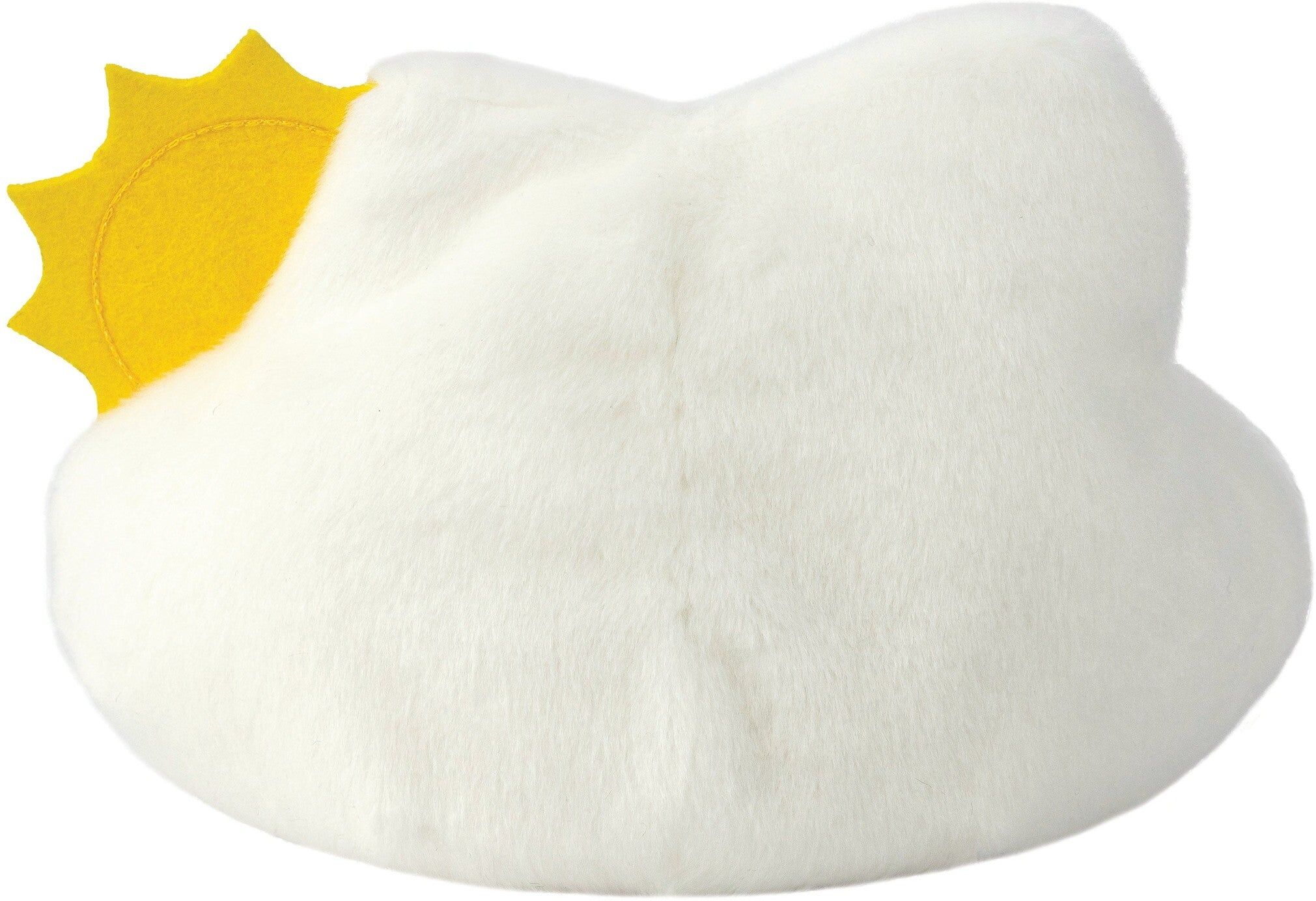
Aurora Cuddle Pals Summer Cloud 8" Soft Toy for Newborns Eco-Friendly Materials Suitable from BirthSoft and cuddly toy designed for little ones. Made with eco-friendly materials. Filled with recycled plastic beans and fiber fill. Suitable for children from birth.9,69 £*Shipping: 3,95 £Secure redirect to the provider
-
What climate-friendly building materials are there for houses?
There are several climate-friendly building materials that can be used for houses, including: 1. Recycled and reclaimed materials: Using materials such as reclaimed wood, recycled steel, and salvaged bricks can reduce the demand for new resources and minimize waste. 2. Sustainable wood: Timber that is certified by organizations like the Forest Stewardship Council (FSC) ensures that it comes from responsibly managed forests. 3. Insulation made from natural materials: Materials like cellulose, wool, and cork are renewable and have low environmental impact compared to traditional insulation materials. 4. Low-impact concrete alternatives: Materials like hempcrete, which is made from hemp fibers and lime, have lower carbon footprints than traditional concrete. By incorporating these materials into house construction, it is possible to reduce the environmental impact of building and contribute to a more sustainable future. **
-
What is the difference between inorganic and organic building materials?
Inorganic building materials are derived from non-living sources such as rocks, minerals, and metals. They are typically more durable and resistant to environmental factors such as fire, water, and pests. Examples of inorganic building materials include concrete, steel, and glass. Organic building materials, on the other hand, are derived from living sources such as plants and animals. They are often more sustainable and environmentally friendly, but may be more susceptible to decay and damage from environmental factors. Examples of organic building materials include wood, bamboo, and straw. Overall, the main difference between inorganic and organic building materials lies in their source and properties, with inorganic materials being more durable and resistant, while organic materials are often more sustainable and environmentally friendly. **
-
Is organic sustainable?
Organic farming practices can be more sustainable than conventional methods in terms of reducing chemical inputs, promoting biodiversity, and improving soil health. However, there are challenges to the scalability and efficiency of organic farming, which can impact its overall sustainability. For example, organic farming typically requires more land and labor to produce the same amount of food as conventional methods, which can limit its ability to meet global food demand. Additionally, the transportation and distribution of organic products can have a higher environmental impact due to their shorter shelf life and the need for refrigeration. Overall, while organic farming has many sustainable benefits, there are also limitations to its long-term sustainability on a large scale. **
-
What is the difference between building materials, operating materials, and supplementary materials?
Building materials are used in the construction of a structure, such as wood, concrete, steel, and bricks. Operating materials are items used to maintain and operate a building, like cleaning supplies, light bulbs, and HVAC filters. Supplementary materials are additional items that may not be essential for the structure but can enhance its functionality or aesthetics, such as decorative finishes, landscaping materials, or furniture. **
* All prices are inclusive of VAT and, if applicable, plus shipping costs. The offer information is based on the details provided by the respective shop and is updated through automated processes. Real-time updates do not occur, so deviations can occur in individual cases. ** Note: Parts of this content were created by AI.